Nan Kemberling, Atlanta Cellist
  • Home
  • Teaching
  • Performance
  • Media
    • Videos
    • Press
    • Music
    • Television
    • Photos
    • Art
  • Blog
  • Contact
Cellist, Teacher, and Coach

Nail it with shorter nail beds

9/16/2016

17 Comments

 
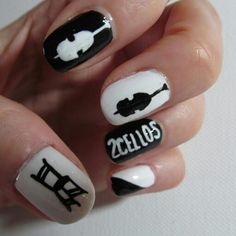
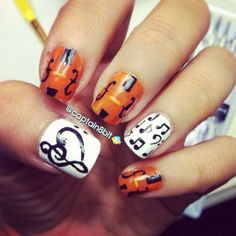
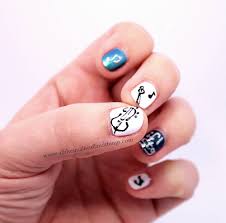
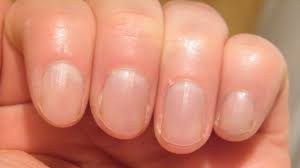
It's no secret that you need to have short nails to play the cello effectively.  But I have found that "short" has different meanings for different people.  What exactly is short enough?
Picture
Not even close.
Picture
No.
Picture
Nope.
Picture
...still no.

Make the Cut!

The following video is the only tutorial I could find on the subject of cellists' nail length.  Near the end, RealCelloGuy explains that you should cut your nails as short as you can "without hurting yourself."

The Long and Short of it...

Great.  Cut my nails. Got it.   

But what if your nail beds themselves --not your actual nails--are so long that they interfere with your playing?

What can you do when can't cut your nails any shorter?
Picture
Nails are gone, but they're still too long...
First of all, let's clarify what I mean by "nail bed."  A picture is worth a thousand words:
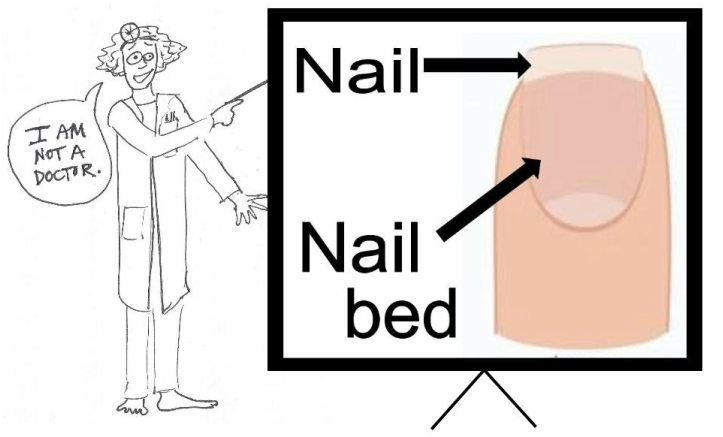
Picture
So now that we have the terminology solidified, grab your equipment (nail clipper and file) and watch my video:
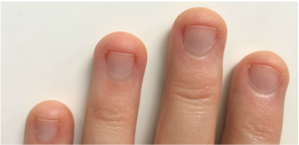
PictureThese are my "long" nails. Usually there's NO white!

​Make sense?  

This is exactly what Martha recommended to me many years ago, and now the tips of my left hand fingers are super meaty, perfect for easy cello playing--even when my nails are "long." 


Need more proof?
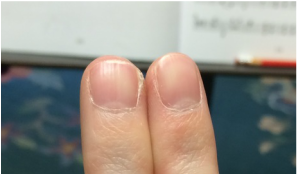
Picture
Thanks, Erica!
One of my wonderful students graciously allowed me to take a picture of the progress she has made with her nail bed recession efforts.  The nail on the left has been filed (in the way I describe in the video) for many weeks now, and the nail on the right has been trimmed normally.

The difference she has created is obvious!  

Need equipment?

Okay, it's time to get to work!  Here's what I recommend you use:
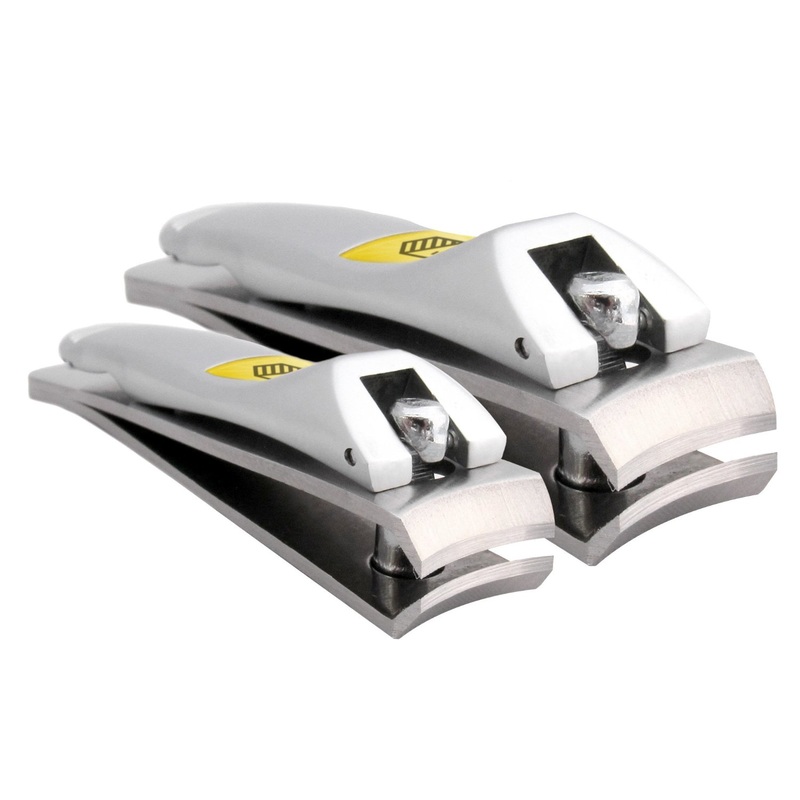
PictureKlipIt is the best!
I own two sets of these.  I have never found a more substantial and effective nail clipper--and I have gone through quite a few! 

buy Klipit
Picture
Filing in style
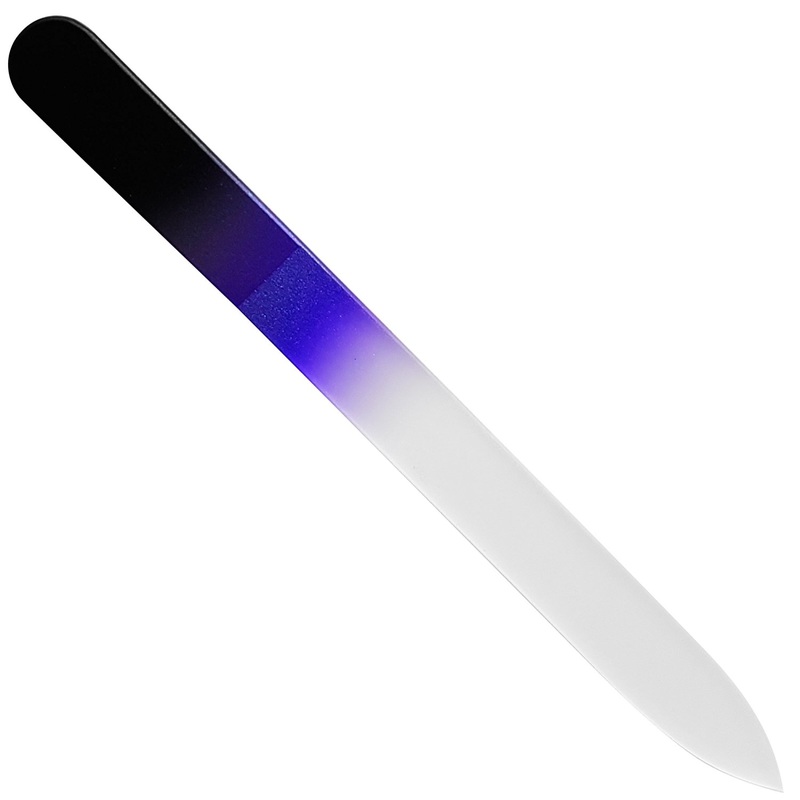
A file is the most important weapon  in the fight to  shrink your nail beds.  This one is highly rated on Amazon, reusable and high quality!
Buy file
Picture
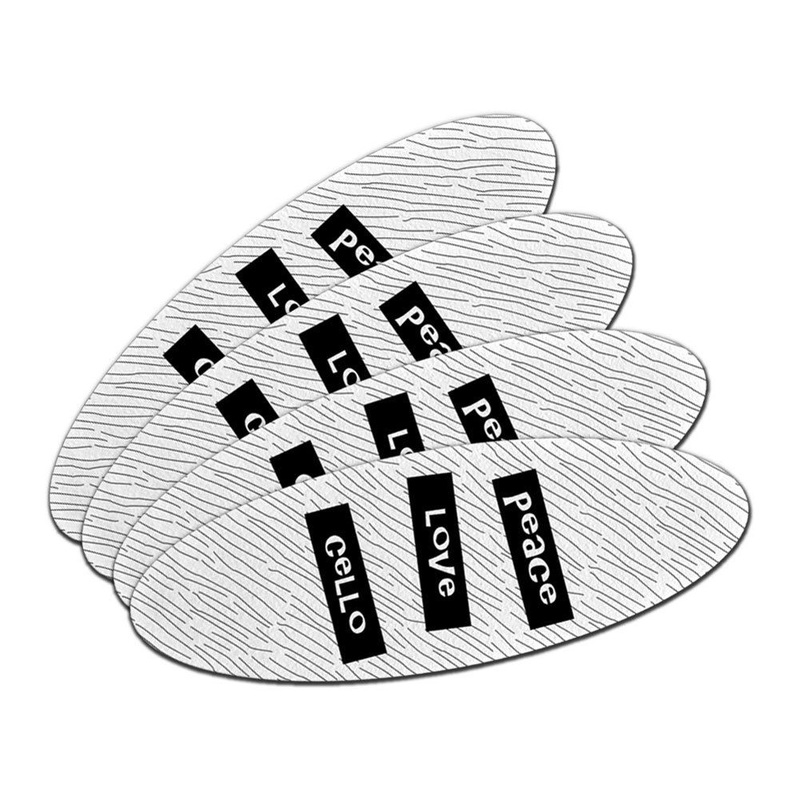
I'm a cello-file. Heh. Get it?
Maybe you want something that will explain to the outsiders why you are filing your nails so much.

​This file says it all.  
​
buy cello file

Feel free to leave questions and comments below.  ​Happy filing! 
17 Comments
Stefan Bradley link
7/2/2019 12:02:09 pm

It is interesting that you can shrink your nail beds by clipping and filing your nails regularly. My wife is interested in playing the cello and wanted to make sure that her nails wouldn't get in the way. I will look for a good nail file and clippers so that she can play her instrument without and discomfort.

Reply
David Teague
9/30/2019 11:09:10 am

I found "Klipit", and the glass nail file on Amazon "Halloween store," but the "cello file" wasn't found. Won't most good quality emery boards should work? I mean except for the inscription?

Reply
Nan link
10/2/2019 11:36:44 am

Yes, emery boards work great. That one was really only notable because of the decoration...

Reply
rohit aggarwal link
11/11/2019 03:16:33 am

thanks for the information

Reply
Chris K
6/14/2020 08:50:49 pm

Super advice, and your nails...totally rock! Don't tolerate any "Bullies".

Reply
anmol
10/22/2020 02:24:14 pm

i was looking for exactly "something just like this"

Reply
Charles
2/9/2021 12:39:36 am

I’m born with long nail beds, but i love cello so i learn playing.
You just put ur fingers a little flat on fingerboard, it works,
Don’t worry.

Reply
Eric
5/30/2021 01:39:28 pm

This is a big deal.
I quit piano university studies because of unrelated immigration status issue more than a decade ago. But one reason i did not return to complete my music degree it after my visa status was resolved, is i was unhappy with my playing ability which was greatly impeded by my nails hitting the keys when finger curvature and the score left no other option. The problem is much worse for pianists than for cellists since the intensity of the sound is directly related to the speed and force of the fingers hitting the keyboard. It makes it impossible to develop a good tactile memory in advanced pieces.
I was aware of the problem and cut my nail short only to hurt myself and having to stop practicing. I later realized the problem also exists for stringed instrument with a fingerboard. This is the first time i see this major issue correctly described and a solution for it. I wished that someone would have told this to me 20 years ago.

Reply
Nan link
5/31/2021 08:42:36 am

This is a heartbreaking story. I am so sorry you had to quit. I hope you can still play for fun these days!

Reply
Eric
5/31/2021 10:30:46 am

Thank you, unfortunately my current living situation would not allow the sound level of a piano. I will buy a piano as soon as I own a house. I haven't played for a decade. When i hear performing pianists on the radio, i think i was far from a world stage level of pianism, and my goal was not piano teacher either which makes me feel better about it.

e
10/5/2022 12:23:50 pm

i'm a guitar player with a disproportionately long nail bed on my left index finger. it doesn't prevent me from playing but i noticed it hindering my ability to fret cleanly in some situations. i've routinely searched the web for a solution from other guitar players without finding anything haha. today in my search i learned that you can shrink a dog's quicks -- cue a bunch of google searches on if it could be done on a human, which led me here. you're a livesaver, thanks for putting this out!!

Reply
Near Me Nail Extension Specialists link
2/4/2024 09:05:43 am

Thanks for sharing a good and informative blog.

Reply
Brooklyn Lash Artists link
2/4/2024 09:09:59 am

Thanks for sharing a good and informative blog.

Reply
tophatters.co link
4/1/2026 08:28:15 am

This is such a niche but incredibly valuable topic—one that doesn’t get talked about nearly enough in the cello world.

Most advice stops at “cut your nails short,” which, as you point out, isn’t always enough. The distinction you make between the *nail* and the *nail bed* is a game changer, especially for players who feel like they’re doing everything right but still struggling with clean contact on the strings.

What I really appreciate here is the practical, long-term approach. Instead of treating nail length as a quick fix, you’re addressing the underlying issue and offering a method that actually changes the shape and usability of the fingertip over time. That idea of developing “meaty” fingertips is something many players aim for but don’t always know how to achieve.

The visual examples are especially helpful. Seeing the difference between a regularly trimmed nail and one that has been consistently filed in the way you describe makes the concept much clearer. It’s one thing to hear about technique, but another to see the results.

There’s also something encouraging about the fact that this isn’t an overnight solution. It’s a process—one that requires consistency and patience—but the payoff is improved ease, comfort, and control when playing. For students in particular, that kind of improvement can make a huge difference in both sound quality and confidence.

I also liked the inclusion of specific tools. It might seem like a small detail, but having the right clipper and file can make the process more effective (and honestly, more manageable to stick with).

Overall, this is a great reminder that sometimes the biggest breakthroughs in playing don’t come from major technical overhauls, but from small, overlooked details like this. Addressing something as simple as nail bed length can remove a surprising amount of friction from the playing experience.

A really thoughtful and practical contribution—especially for anyone who’s ever felt frustrated by their left-hand contact and couldn’t quite figure out why.

Reply
Jessica link
4/1/2026 08:28:49 am

This is one of those topics that seems small on the surface but can have a huge impact on playing.

What really stands out here is how you move beyond the usual advice. Most players are told to simply trim their nails and leave it at that—but as you’ve pointed out, that doesn’t solve the problem for everyone. Bringing attention to nail bed length adds a layer of understanding that a lot of cellists probably haven’t considered.

I also like how practical and actionable this is. You’re not just identifying the issue—you’re offering a method that players can actually work on over time. That idea of gradually reshaping how the fingertip interacts with the string is really insightful, especially for those struggling with clean tone or consistent contact.

The before-and-after example is particularly convincing. Seeing that kind of visible progress helps make the concept feel achievable rather than theoretical. It shows that with consistency, even something that feels like a limitation can be improved.

There’s also something reassuring about the message overall: if something in your technique feels off, it’s not always about skill—it might be something physical or structural that just needs a different approach.

This is a great resource for players at any level, and a reminder that sometimes the smallest adjustments can make the biggest difference in how we play.

Reply
centralna ewidencja lokali link
4/18/2026 12:34:53 pm

Thanks, this is great article.

Reply
portrety historyczne link
6/12/2026 08:53:57 am

Thank you for sharing this article. I find your blog very interesting and always enjoy your content.

Reply

Your comment will be posted after it is approved.


Leave a Reply.

    Nan sequiturs

    I live and breathe cello everyday, and I want to share thoughts about it with you!

    Categories

    All
    Basics
    Bow Control
    Funny Stuff
    Inspiration
    Master Mind
    Notation
    Practicing
    Window Into My World

    SUBSCRIBE!

    RSS Feed

    Enter your email address:

    Delivered by FeedBurner

There's always room for cello...
Proudly powered by Weebly